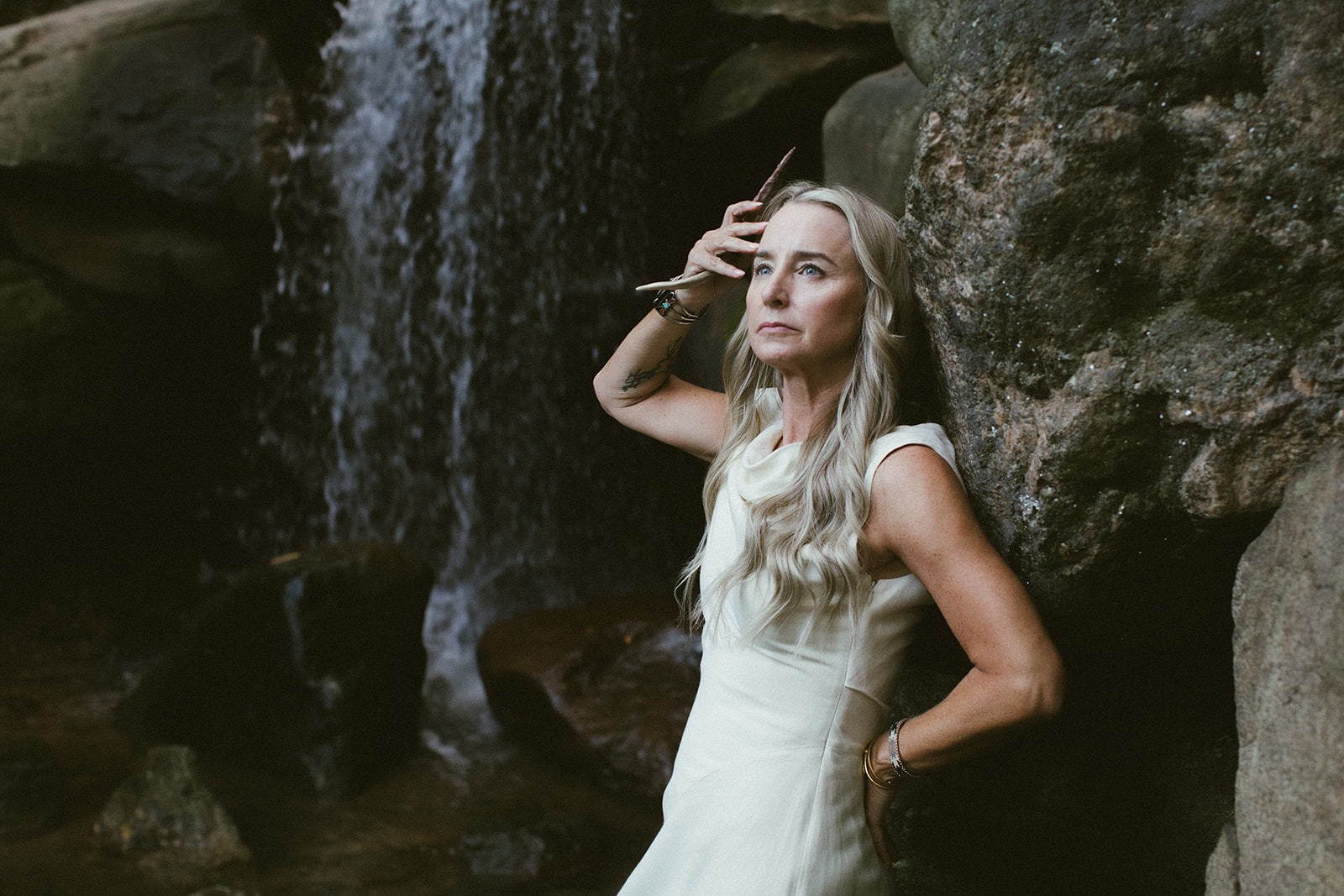
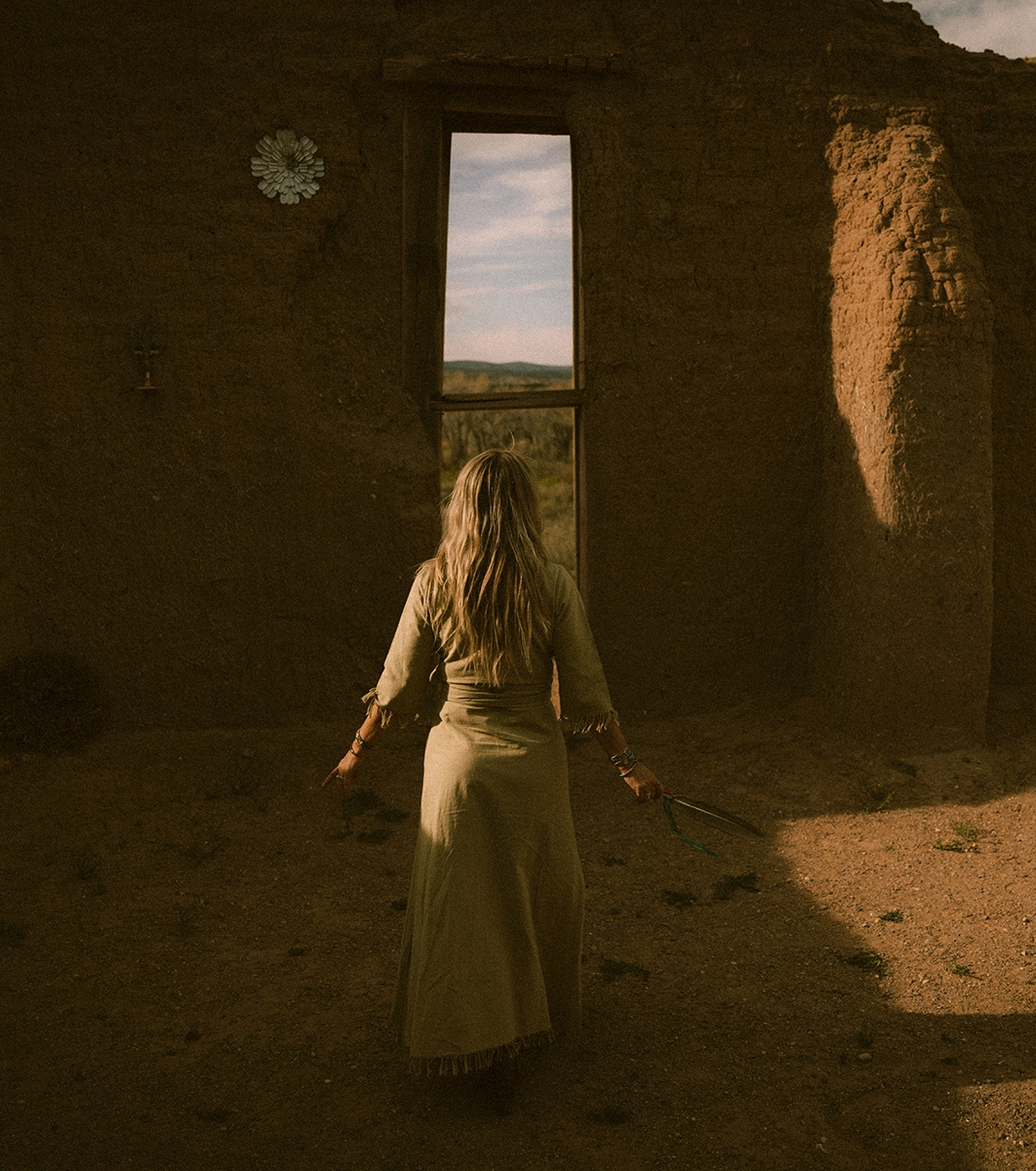
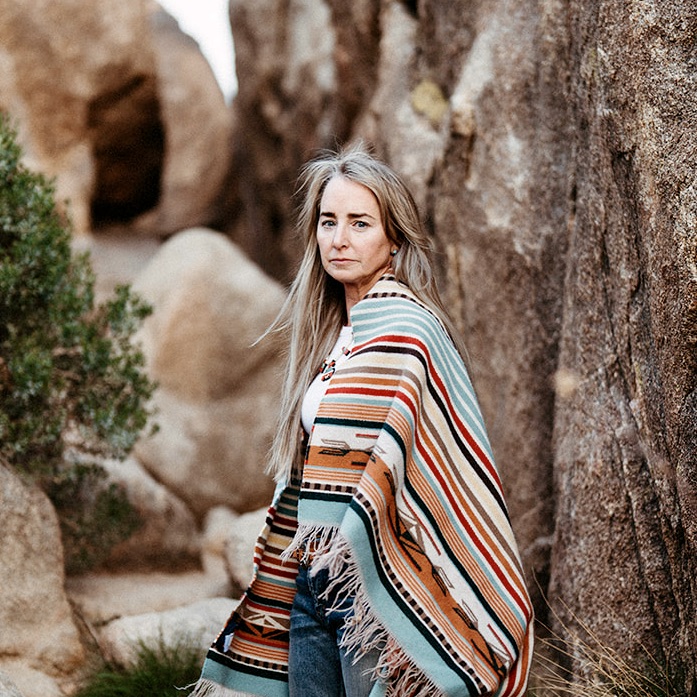
Clarissa Pinkola Estés wrote of an old woman who lives in the desert.
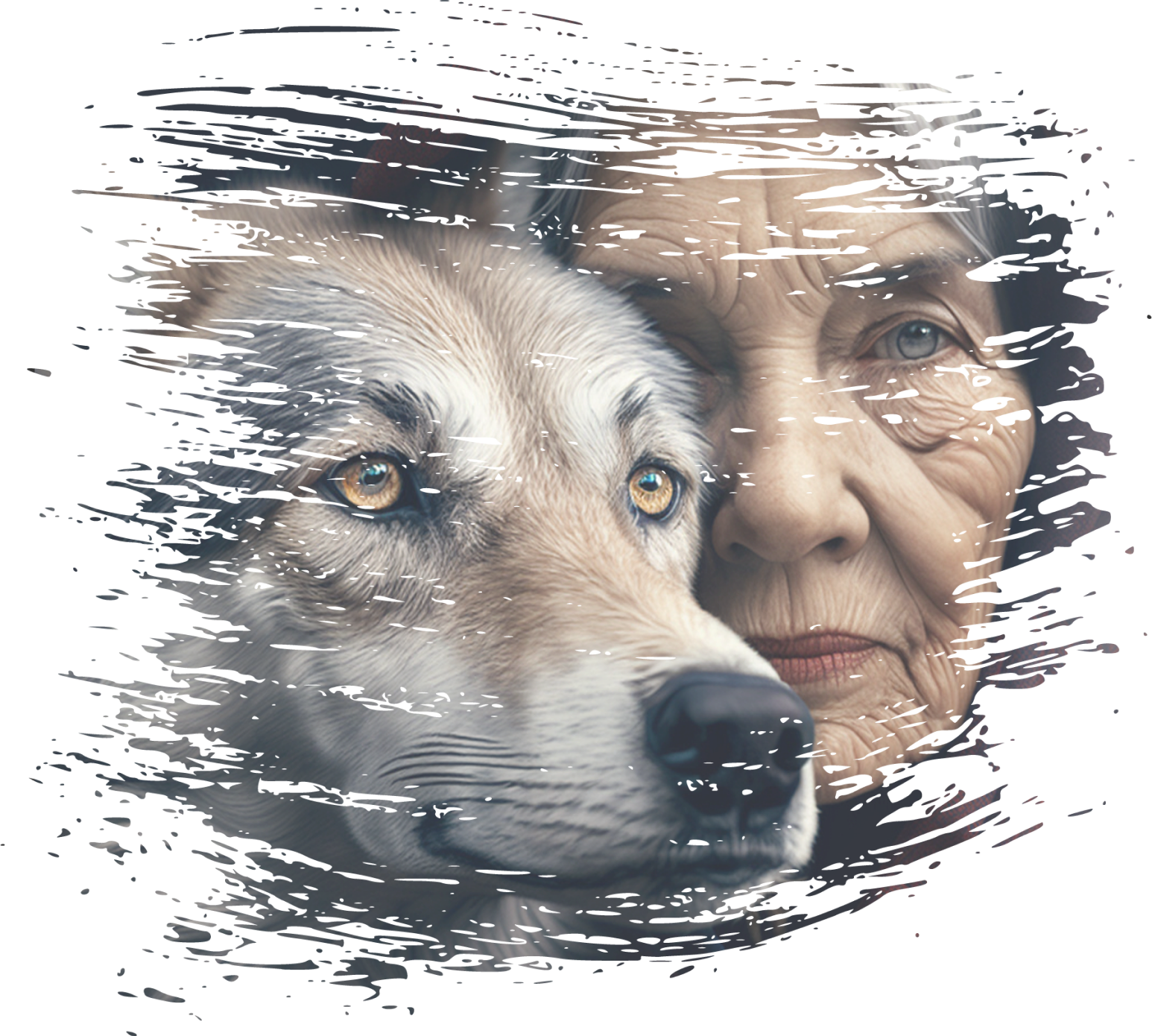
She has many names — La Loba, the Wolf Woman, the Bone Woman. She spends her days wandering the arroyos and dry washes, collecting what has been abandoned, what culture has declared finished, what has been forgotten or left for dead. Bones, mostly. The bones of wolves.
When she has gathered enough — when the skeleton is complete — she kneels over her assembled bones and begins to sing. She sings over them the way the earth sings over seeds in winter. And slowly, as the song deepens, something begins to happen. Fur appears. Flesh. Breath. And what was scattered and dead rises and runs free into the desert night.
This is the oldest story of transformation I know. And it is the story of this work.
Not fixing. Not returning anyone to who they were. But gathering what has been scattered by loss, by devastation, by the deaths we survive — and singing it back into a life that is wilder, truer, and more fully inhabited than the one that broke.
La Loba knows that nothing is truly lost. Only scattered. Only waiting to be gathered by someone who knows the difference between what is dead and what is dormant.
I have been finding my way to this work my entire life.
I woke one morning with her name on my lips. Not as metaphor. Not as branding. As recognition — the kind that arrives before you’re fully awake and settles into your bones before your mind can argue with it.
I am La Loba. And I have been waiting for your bones.